
Written by

Topics
Most teachers can name the moment a lesson gets away from them. A student who will not take a seat. A conversation that will not stop. A head that has been down on a desk since second period. Nothing in a preparation program covered this.
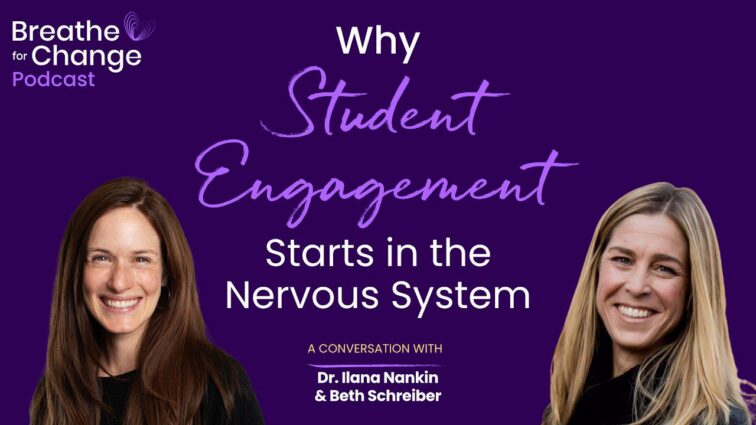
The default is to manage the behavior and get back to the content. Dr. Ilana Nankin and Beth Schreiber make the case that this gets the order backwards. A student in fight, flight, freeze, or fawn is not refusing to learn. Their nervous system has left the window where learning is possible, and redirection cannot reach a brain that is offline.
What works is reading the state before responding to the behavior. A loud, defiant, out-of-their-seat student is usually over-activated and needs grounding: Feel Your Roots, a few slow breaths. A silent, sleepy student hiding in a hoodie is shut down and needs energy: Mindful Movement, Shake It Out, a Sun Breath. The wrong tool for the state makes things worse, so students first learn to notice and name their state. Weather Report gives them the vocabulary. Affirmation rewrites the story they carry about themselves. Peer Cheer and Appreciation Circle build the belonging that makes it safe to not know yet. Hopes & Dreams and Intention Setting tie today’s work to a future they want. These span the Somatic, Emotional, Relational, and Universal layers of the Human Intelligence framework. A student engages with their whole self, or not at all.
The harder part is the mirror. Nervous systems sync, and a teacher who walks in dysregulated pulls the room along. The first regulation practice in the room is the adult’s own.
If a student has ever seemed unreachable, they were not. They were somewhere specific, and this episode shows you how to meet them there.
Here are some of the best moments from the episode:
- Mindset Shift: From “Problem Student” to Dysregulated Nervous System
- Understanding the Nervous System & The Window of Tolerance
- Hypoarousal Zone: Freeze State & Internalizing Behaviors
- The Fourth F: Fawning & Appeasing Behaviors
- Grounding Practice: “Find Your Roots” Storytelling
- Emotional Intelligence: The Internal Weather Report
- Reframing Mindsets Through Student Affirmations
- Universal Intelligence: The Hopes & Dreams Practice
Follow “A Work of Heart” on Spotify, Apple Podcasts, or YouTube. Subscribe so you never miss an episode. And if it resonated, take 30 seconds to rate and review. It helps more educators find these conversations and reminds the algorithm that teachers matter.