
Written by

Topics
Somewhere in every school week there is a moment that never gets resolved. Two students stop speaking after recess. A comment from a colleague lands wrong and sits there for a month. Most of us were never taught what to do next, so we get past it as fast as possible.
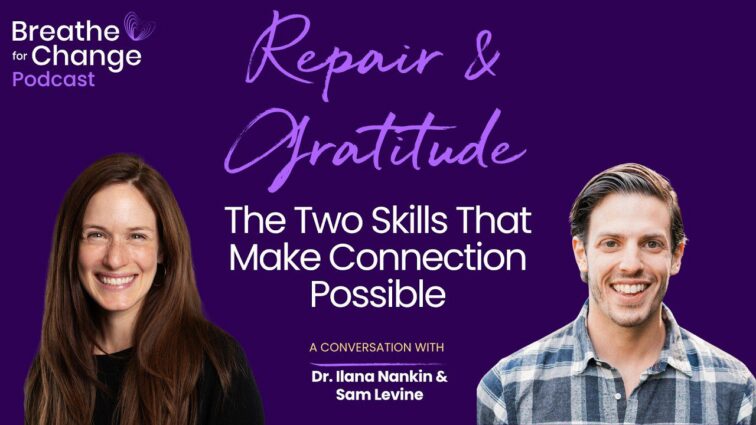
Avoiding conflict feels like keeping the peace. Dr. Ilana Nankin and Sam Levine make the case that it does the opposite. Every unspoken resentment becomes the lens through which the next interaction gets read, and the relationship erodes quietly. Escalation is no better, because no repair is possible from a nervous system in panic. The work happens in the stretch zone between the two, and it IS a teachable skill.
It starts with a conversation: what does repair look like here, and what does it not look like? From there, the Peace Process gives students a route through conflict: name what actually happened before the story about it, name the feeling underneath the anger, name the need, make a request. I Hear You, I’m With You, and My Truth build the two halves of any repair, being heard and being able to hear. Gratitude does the rest. Peer Cheer and Shower of Acknowledgment train students to give appreciation and to receive it. All of it lives in the Relational Intelligence layer of the Human Intelligence framework.
The harder question is the one the adult answers first. Nobody can make you feel anything, and owning that is the price of teaching it. Across a week, what is the ratio of correction to acknowledgment your students hear from you?
If there is a repair conversation you have been avoiding, this is your invitation to have it. The relationship on the other side is what makes the work worth doing.
Here are some of the best moments from the episode:
- The Power of Connection in Education
- AI Technology vs. Human Connection
- The Importance of Relationship Repair
- The 3 Zones: Comfort, Stretch, and Panic
- Step 1 of Repair: Separating Fact from Story
- Building Emotional Literacy (The Emotions Wall)
- The Second Pillar: The Power of Gratitude
- How to Give and Receive Appreciation
Follow “A Work of Heart” on Spotify, Apple Podcasts, or YouTube. Subscribe so you never miss an episode. And if it resonated, take 30 seconds to rate and review. It helps more educators find these conversations and reminds the algorithm that teachers matter.