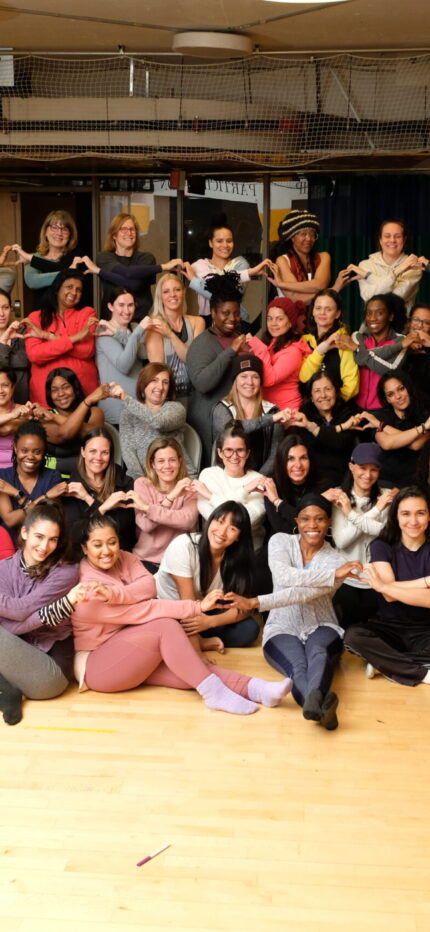
A Community of TransformationalTeachers and Leaders
Our community is made up of thousands of impact-driven teachers, who are navigating the challenges of modern classrooms to cultivate powerful learning environments that empower every student and transform school communities.
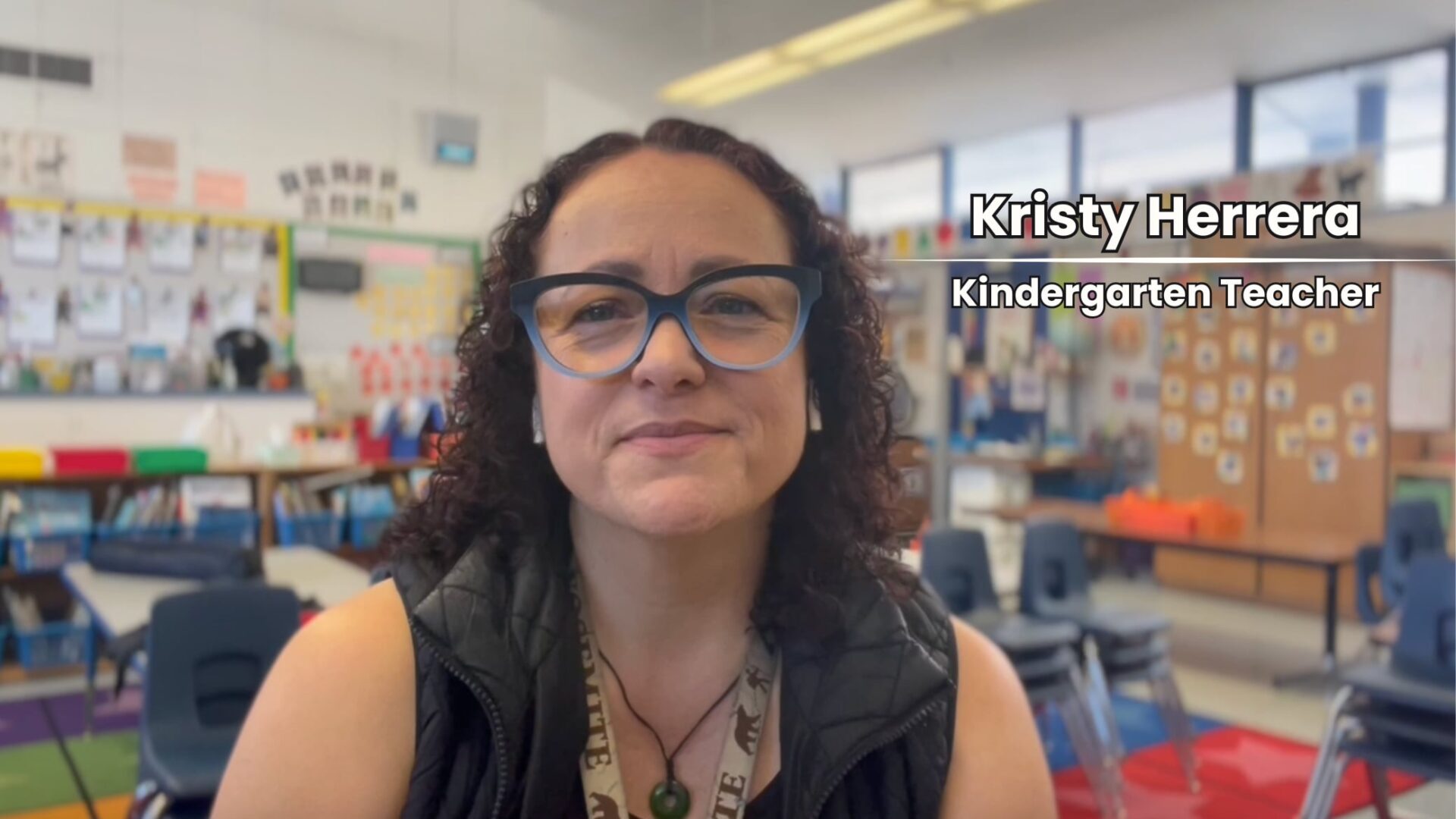
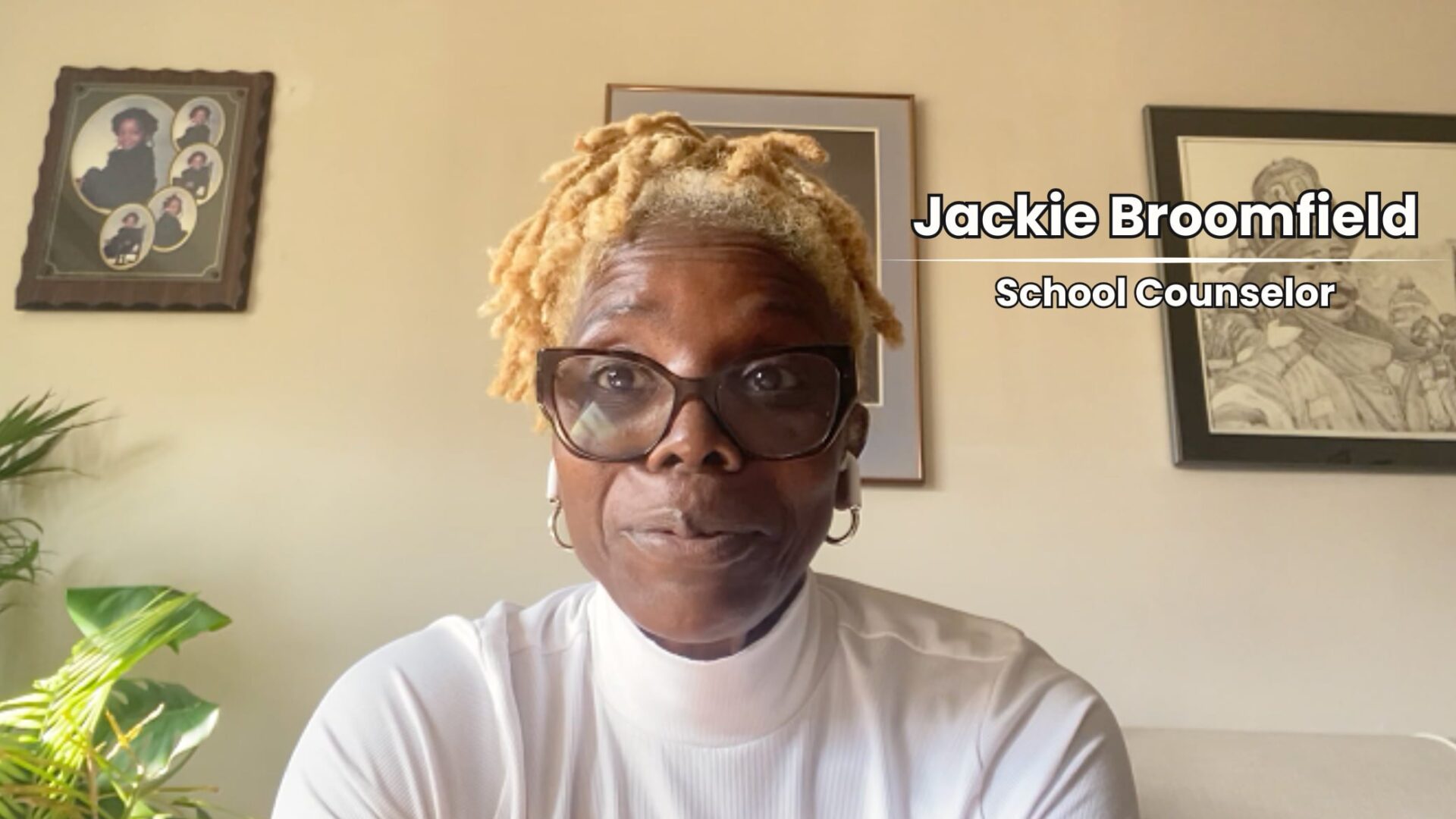
Case Studies
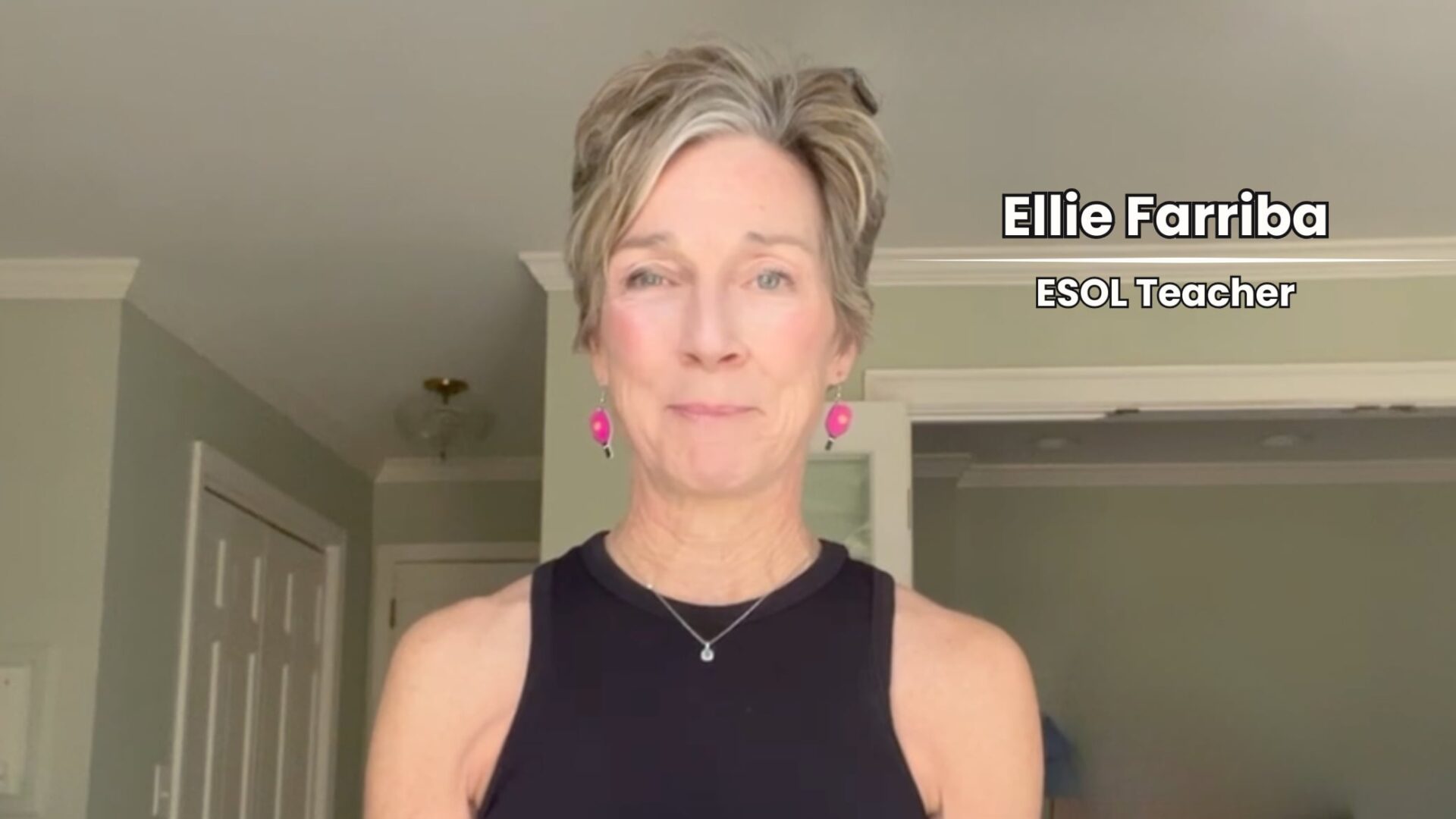
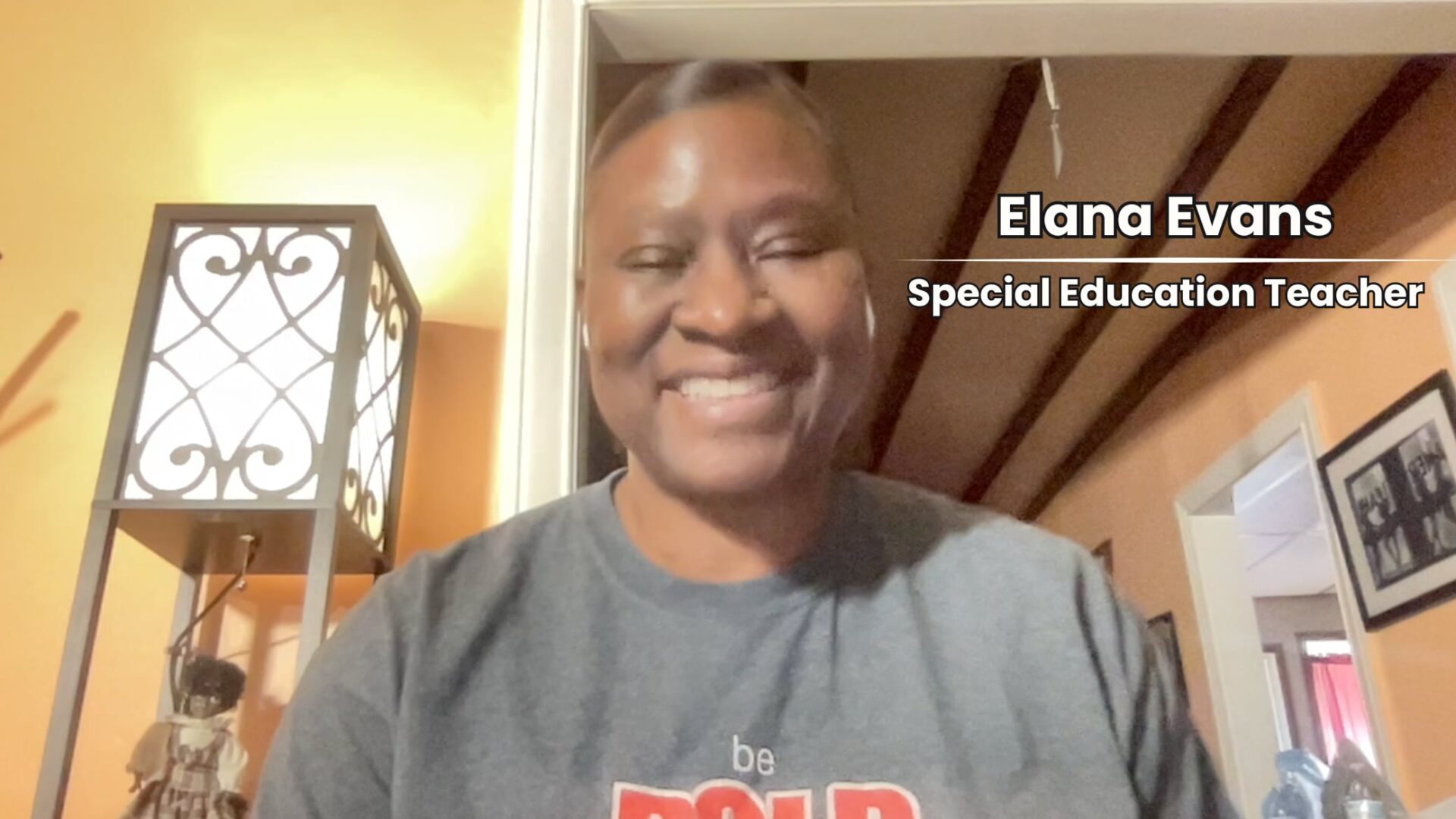
Hear how Breathe For Change has reshaped their careers—igniting a journey of professional growth and inspiring them to lead with renewed passion and purpose.


Our Master’s students take theory into action through real-world practicum projects.
90+
Elementary InitiativesExamples of Action Research Projects include:
-
How can explicit instruction in communication and conflict-resolution strategies reduce conflict and miscommunication among a fifth-grade classroom community?
-
How will weekly wellness workshops focused on self-regulation and executive functioning enhance social interactions among first-graders with learning disabilities over 6 months?
-
How can self-regulation practices reduce anger, reactivity, and disruptive behaviors among third-grade students in a music classroom?
-
How can proactive student mental health and regulation supports reduce extreme behaviors while supporting teacher well-being in upper elementary classrooms?
-
How can attendance interventions grounded in belonging, peer accountability, and family engagement reduce chronic absenteeism among K–8 students?
60+
Middle School InitiativesExamples of Action Research Projects include:
-
How can belonging-centered practices reduce stress, imposter syndrome, and feelings of disconnection among middle school students in a high-achieving academic environment?
-
How does adding 10 minutes of SEL practices using the Breathe For Change curriculum impact stress levels, self-confidence, and self-esteem in 6th-grade students?
-
How can teaching nonviolent communication and emotional awareness reduce peer conflict and improve relationships among middle school students?
-
How can routines support stress management, emotional regulation, and confidence among eighth-grade students during the transition to high school?
-
How can inclusive, strengths-based practices support belonging, communication, and engagement among students in self-contained autism classrooms?
50+
High School InitiativesExamples of Action Research Projects include:
-
How can nervous system regulation practices improve focus, emotional regulation, and academic engagement among high school students?
-
How does integrating mindfulness practices into Advanced Placement classes support students’ ability to manage stress and academic pressure?
-
How can integrated physical wellness and social-emotional learning initiatives improve student well-being and learning outcomes in a rural school district?
-
How can creative practices help middle and high school youth in arts programs manage stress and build emotional resilience?
-
How can social connection and nervous system regulation practices reduce anxiety and improve well-being among homeschooled preteen and teen girls?
70+
Staff Wellness Support InitiativesExamples of Action Research Projects include:
-
How can breathing techniques and body scans used by school nurses support students in recognizing stress signals and improving self-regulation?
-
How can trauma-informed practices support early childhood educators in sustaining effective, inclusive classroom environments?
-
How can professional learning focused on collaboration, respect, and trauma-informed practices improve relationships between teachers and paraprofessionals while supporting students with disabilities?
-
How can collaborative professional development improve teacher engagement, equity-centered practice, and sense of belonging in a linguistically diverse high school community?
-
How can community-care practices strengthen connection, belonging, and collective well-being among school staff and educator?
20+
Parents & Community SupportExamples of Action Research Projects include:
-
How can self-compassion practices support stress reduction and emotional resilience among caregivers and nurturers?
-
How can trauma-informed social-emotional supports strengthen connection, resilience, and stability for foster and adoptive caregivers and children?
-
How can trauma-informed practices reduce burnout and increase self-awareness and resilience among child protection workers?
-
How can emotional regulation strategies reduce test anxiety and improve academic confidence among adult learners pursuing a GED?
-
How can culturally responsive creative arts practices support emotional regulation, self-awareness, and community connection among BIPOC children and families?
Change by Numbers
At Breathe For Change, our impact is both measurable and powerful. Discover how our research-backed approach is transforming education.
Research shows Breath For Change:
⬇ Reduces chronic absenteeism
⬇ Reduces stress and burnout
⬆ Boosts attendance
⬆ Supports student SEL, behaviors, & academic outcomes
⬆ Improves educator well-being
HOW TO
The Application Process
STEP 1
Submit Your Interest
Complete the form on this page and schedule your interview with our team.
STEP 2
Complete Your Interview
Talk through your goals and get your questions answered.
STEP 3
Enroll through Admissions
Submit your undergraduate transcript and get started on your journey of transformation!
Who We Are
We are the movement for educator transformation.
Because when educators transform, education transforms.
And when education transforms, humanity evolves